
Initial Diet for Men and Women Trying to Conceive
Starting with a fertility-friendly diet is essential for both partners. Here’s a list of key foods that can support reproductive health and improve your chances of conception.
For Women:
Leafy Greens (Spinach, Kale): High in folate, crucial for hormone balance and healthy ovulation.
Berries (blueberries, strawberries): Packed with antioxidants that protect eggs from oxidative stress.
Whole Grains (Brown Rice, Quinoa): Help stabilize insulin levels, especially important for women with PCOS.
Full-Fat Dairy (Whole Milk, Yogurt): May promote regular ovulation.
Nuts and Seeds (Almonds, Flaxseeds): Provide omega-3 fatty acids and plant-based protein.
Fatty Fish (Salmon, Sardines): Rich in omega-3s and vitamin D, support hormone regulation and improve egg quality.
For Men:
Oysters and Shellfish: Excellent source of zinc to support sperm quality.
Brazil Nuts: Rich in selenium, known to enhance sperm motility and DNA integrity.
Citrus Fruits (Oranges, Lemons): High in vitamin C to reduce sperm defects.
Eggs and Leafy Vegetables: Packed with vitamins A and E for sperm production.
Pumpkin Seeds and Sunflower Seeds: Contain zinc and vitamin E, both vital for testosterone and sperm health.
Fatty Fish (Mackerel, Salmon, Herring): Provide omega-3 fatty acids, which enhance sperm count and motility.
Amazon Suggestion: [Prenatal Multivitamin] | [Male Fertility Vitamin Pack]
1. Irregular Periods
Makes it hard to predict ovulation.
Often linked to hormonal imbalances.
Can be caused by stress, thyroid issues, or PCOS.
Affects the timing of intercourse for conception.
May lead to fewer chances of releasing a healthy egg.
Tracking cycles manually becomes difficult.
Needs medical attention if cycles are consistently irregular.
Amazon Suggestion: [Ovulation Predictor Kit]
More information
Ovulation is the cornerstone of natural conception. If it doesn’t happen regularly, or at all, pregnancy becomes significantly more challenging.
Polycystic Ovary Syndrome (PCOS): This hormonal disorder is a leading cause of ovulatory dysfunction. Women with PCOS often have infrequent or prolonged menstrual periods and may not release an egg regularly. It’s characterized by small cysts on the ovaries, though not all women with PCOS have them. Hormonal imbalances in PCOS can affect the development and release of mature eggs.
Hypothalamic Dysfunction: The hypothalamus in the brain regulates the hormones that control the menstrual cycle. Stress, weight loss or gain, and intense exercise can disrupt this delicate balance, leading to anovulation (lack of ovulation).
Premature Ovarian Insufficiency (POI): Sometimes referred to as early menopause, POI occurs when the ovaries stop working normally before the age of 40. This results in irregular or absent periods and a decline in egg quality and quantity.
Thyroid Disorders: Both an overactive (hyperthyroidism) and underactive (hypothyroidism) thyroid can interfere with ovulation and fertility. The thyroid gland plays a crucial role in regulating metabolism and hormone balance.
2. Polycystic Ovary Syndrome (PCOS)
Causes missed or delayed periods.
Hormonal imbalance interferes with ovulation.
Increases insulin resistance.
Often leads to weight gain.
May require medications like Metformin.
Can be improved with diet and exercise.
Supplements like inositol may help balance hormones.
Amazon Suggestion: [Inositol Supplement for PCOS]
3. Thyroid Issues
Hypothyroidism can halt ovulation.
Hyperthyroidism may lead to miscarriage.
Affects menstrual cycle length.
Symptoms include fatigue, weight changes, and mood swings.
Blood tests can easily detect thyroid problems.
Medication helps regulate hormones.
Left untreated, it can severely impact fertility.
Amazon Suggestion: [At-Home Thyroid Test Kit]
4. Low Sperm Count (Male Factor Infertility)
Fewer sperm lower the chance of fertilizing the egg.
Poor motility affects sperm movement.
Abnormal shape makes it hard to penetrate the egg.
Heat exposure (e.g., laptops on lap) reduces count.
Smoking and alcohol harm sperm health.
Nutrient deficiencies can reduce sperm quality.
Can be improved with lifestyle changes and supplements.
Amazon Suggestion: [Male Fertility Supplement]
5. Age
Female fertility declines after age 30.
Egg quantity and quality decrease.
Risk of miscarriage increases.
Men also experience sperm decline with age.
Older eggs are more likely to have chromosomal issues.
Fertility treatments may be needed.
Early fertility testing is helpful if you’re 35+.
More Details:
Age is a significant factor for both men and women, although the impact is often discussed more in the context of female fertility.
Decreased Egg Quality and Quantity (Women): As women age, the number of eggs in their ovaries declines, and the remaining eggs are more likely to have chromosomal abnormalities, increasing the risk of miscarriage and reducing the chances of conception.
Decreased Sperm Quality (Men): While men continue to produce sperm throughout their lives, sperm quality, motility, and volume can gradually decline with age, particularly after 40.
6. Stress
Affects hormone production.
Can delay or stop ovulation.
Impacts libido and sexual activity.
Reduces immune system efficiency.
Often overlooked as a cause of infertility.
Can cause emotional and physical exhaustion.
Mind-body therapies can help improve fertility.
Amazon Suggestion: [Relaxation Tea / Natural Stress Supplement]
7. Unhealthy Weight
Excess fat affects estrogen levels.
Underweight women may not ovulate.
Hormones become imbalanced.
Weight-related PCOS may develop.
Affects egg quality.
Can be improved with gradual lifestyle changes.
Exercise and balanced diet are essential.
Amazon Suggestion: [Smart Body Scale with App Tracking]
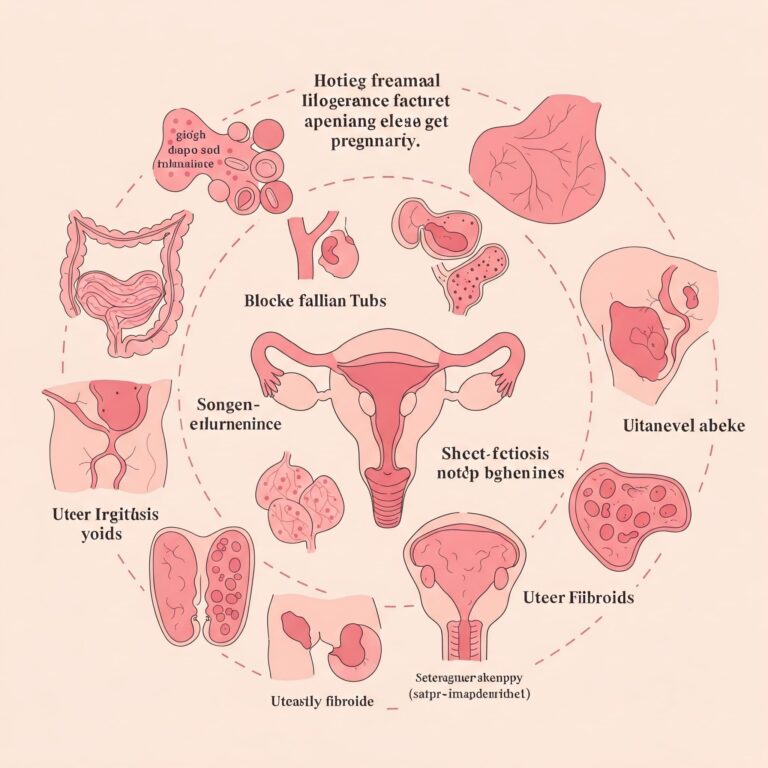
8. Blocked Fallopian Tubes
Sperm can’t reach the egg.
Often caused by past infections.
May result from endometriosis or surgeries.
Usually symptomless.
Diagnosed through HSG test.
May require surgery or IVF.
Prevents fertilized egg from implanting.
9. Endometriosis
Tissue grows outside the uterus.
Causes pain and inflammation.
Can damage reproductive organs.
May block fallopian tubes.
Leads to poor egg quality.
Can form ovarian cysts.
Hormonal treatments may relieve symptoms.
Amazon Suggestion: [Endometriosis Support Supplement / Heating Pad]
10. Timing
Egg only survives 12–24 hours.
Sperm must be present at the right time.
Fertile window is short and easy to miss.
Irregular cycles make timing harder.
Many couples guess wrong about ovulation.
Apps and trackers can improve accuracy.
Daily intercourse isn’t always more effective.
Amazon Suggestion: [Fertility Tracker / Wearable Ovulation Monitor]
11.Lifestyle : Choices Matter
Our daily habits can have a profound impact on our reproductive health.
Smoking: Smoking damages eggs and sperm, reduces the success rates of fertility treatments, and increases the risk of miscarriage.
Excessive Alcohol Consumption: Heavy drinking can negatively affect sperm production in men and ovulation in women.
Obesity: Being overweight or obese can disrupt hormone balance, leading to ovulation problems in women and reduced sperm quality in men.
Underweight: Similarly, being significantly underweight can also disrupt ovulation.
Stress: Chronic high stress levels can interfere with the hormones that regulate the menstrual cycle and sperm production.
Finally,
If you’ve been trying to conceive for more than 12 months (or 6 months if you’re over 35), talk to a fertility specialist. Understanding the reasons behind infertility is the first step toward finding a solution. With the right tools, support, and lifestyle changes, pregnancy may be closer than you think.
Always consult a healthcare provider before starting any supplements or fertility treatments.

